
GPS Tracking of Criminals in S.C. in Limbo After One Year
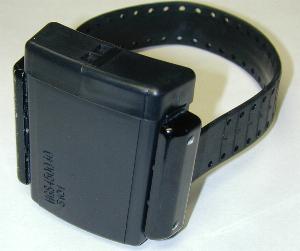
The law that mandates global positioning satellite monitoring for criminals was suspended by a judge six months ago for giving the public a false sense of security. Now, prosecutors are demanding changes in order to make the program more effective.
Circuit Judge Stephanie McDonald imposed a moratorium on electronic monitoring following a September ruling in the case of Deangelo Rashard Mitchell, who was charged with involuntary manslaughter. Mitchell, a reputed drug dealer, allegedly urged his brother to swallow a fatal dose of cocaine while in the back seat of a police cruiser in order to destroy evidence. His brother, as a result, had a seizure and eventually died. He was released from jail and sent to house arrest on a $150,000 bond and subject to GPS monitoring, but nothing was done by the bondswoman despite repeated violations.
Judge McDonald held that it was nonsensical to place people on GPS monitoring without safeguards in place and without a guarantee that someone is actually watching them.
Ninth Circuit Solicitor Scarlett Wilson requested the moratorium, saying that while the technology’s fantastic, it’s the human component that’s the issue. Wilson has found numerous problems in the system, which is being run by private bond companies.
In Mitchell’s case, the drug dealer claimed that neither the bail bondswoman nor the company told him he was violating the terms of his release. In another instance, a bonding company cut off court-ordered monitoring for nine days because the defendant didn’t pay his bill for the service.
Now Wilson wants the Sheriff’s office in Berkeley and Charleston counties to be in charge of monitoring criminals when they are out on bail. She claims that her proposal won’t cost taxpayers anything, as defendants are the ones obligated to pay for the electronic monitoring.